Local Insights: Navigating School Funding in Alachua County


Understanding School Funding in Alachua County
School funding is a crucial topic that affects every child's education in Alachua County. Understanding the sources and allocation of these funds can help parents, educators, and community members engage more effectively with local schools. This blog post will delve into the complexities of school funding in Alachua County, providing valuable insights into how resources are distributed.
Sources of School Funding
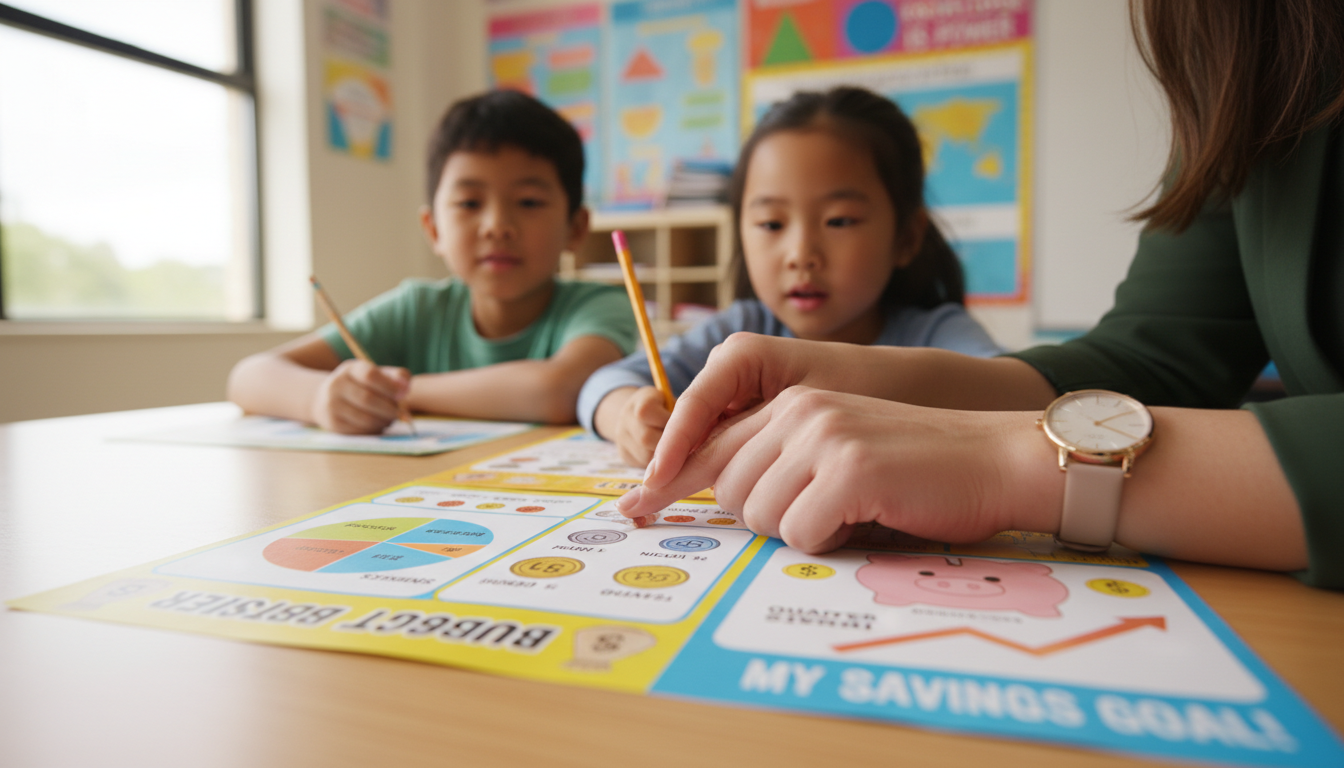
In Alachua County, school funding primarily comes from three sources: local, state, and federal funds. Local funding is largely generated through property taxes, which means that the economic health of the community directly impacts school budgets. State funds are allocated based on a variety of factors, including student enrollment and specific needs within the district. Federal funds, though a smaller portion, often target programs for low-income students and special education.
The balance between these funding sources can significantly influence the quality of education. For instance, areas with higher property values often have more local resources to allocate to schools, potentially widening the gap between different districts.
Allocation and Budgeting
Once funds are collected, they must be allocated in a way that meets the diverse needs of students. In Alachua County, budgeting decisions are made by the school board, which prioritizes expenditures based on educational goals and community input. Key areas of focus often include teacher salaries, infrastructure improvements, and educational programs.

Transparency in budgeting is essential to ensure that funds are used effectively. The school board regularly holds public meetings and provides detailed reports on how money is spent, allowing stakeholders to stay informed and engaged.
Challenges and Opportunities
Alachua County faces several challenges when it comes to school funding. Economic disparities can lead to unequal resources, impacting the quality of education provided. Additionally, fluctuating state budgets can create uncertainty, making it difficult to plan long-term projects.
However, these challenges also present opportunities for innovation and community involvement. By fostering partnerships with local businesses and organizations, schools can supplement funding and provide additional resources for students. Community engagement is crucial in advocating for policies that ensure equitable funding across all schools.
Community Involvement
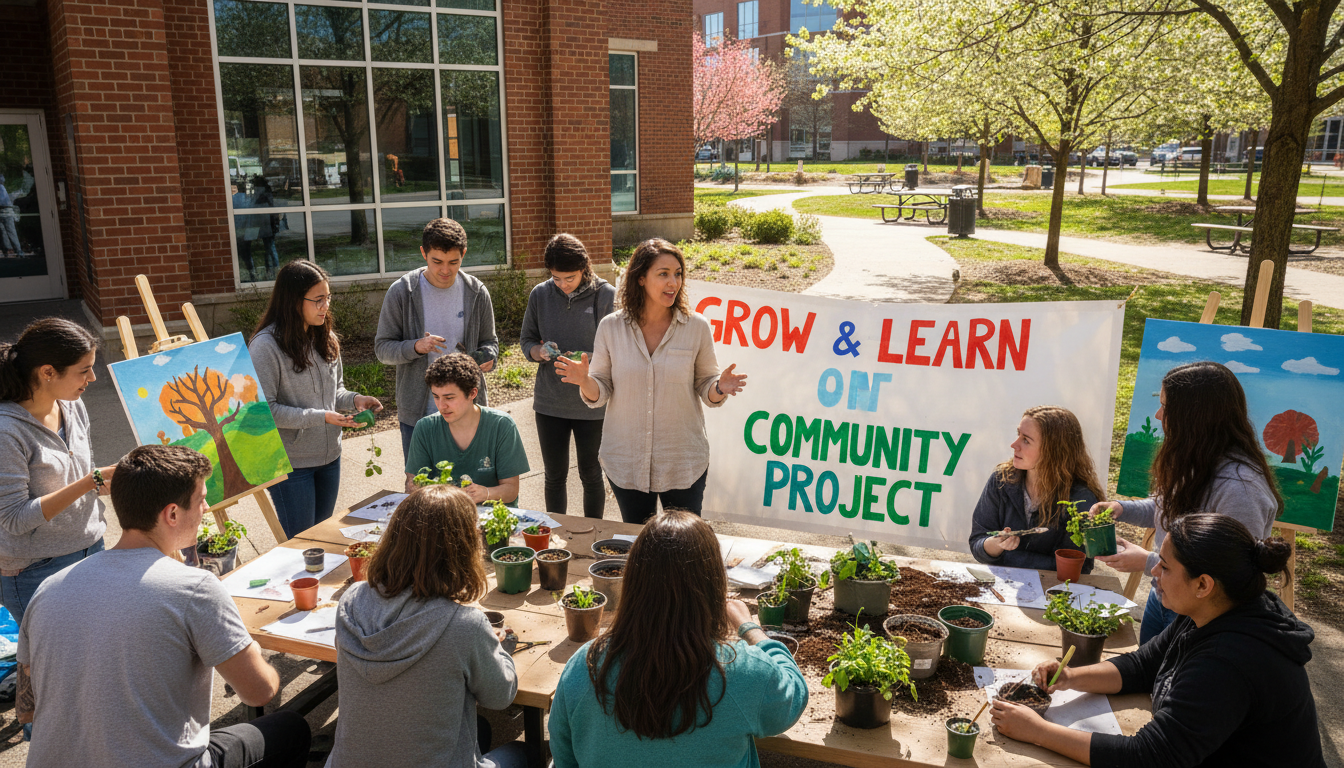
Community involvement plays a vital role in navigating school funding issues. Parents and community members can participate in school board meetings, join parent-teacher associations, and volunteer in schools. These actions can help drive decisions that reflect the community's priorities and values.
Moreover, advocating for policy changes at the state and federal levels can lead to more equitable funding solutions. Engaging with legislators and staying informed about educational policies can make a significant difference.
The Future of School Funding
Looking ahead, the future of school funding in Alachua County will likely involve a combination of traditional and innovative approaches. Leveraging technology and data analytics can enhance budgeting processes and improve resource allocation. Furthermore, continued advocacy for fair funding practices will be essential in ensuring all students have access to quality education.
By staying informed and involved, Alachua County residents can contribute to a brighter future for local schools, ensuring that every child receives the education they deserve.