EduGator Ai vs. Traditional Methods: A Comparative Study


Introduction to EduGator Ai
In the ever-evolving landscape of education, technology has become a pivotal player in reshaping learning methodologies. EduGator Ai is at the forefront of this transformation, offering a dynamic alternative to traditional educational methods. This blog post delves into a comparative study, examining how EduGator Ai stands against conventional approaches in education.

Personalized Learning Experiences
One of the most significant advantages of EduGator Ai is its ability to provide personalized learning experiences. Unlike traditional methods that often follow a one-size-fits-all approach, EduGator Ai adapts to the unique needs of each student. It assesses individual learning styles and tailors content accordingly, ensuring that every student receives the attention they require.
In contrast, traditional methods may struggle to accommodate varying learning paces. Teachers in conventional settings often face challenges in delivering personalized attention due to large class sizes and fixed curricula.
Enhanced Engagement and Motivation
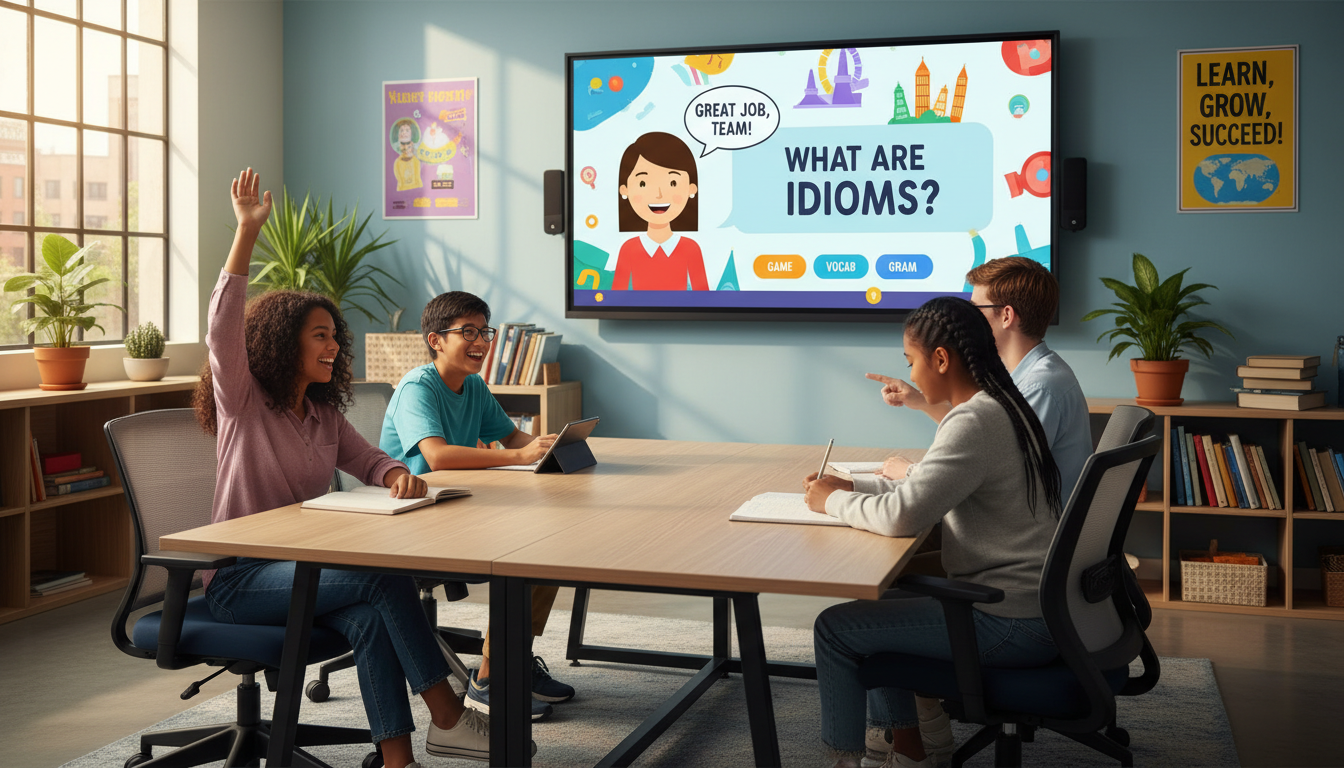
EduGator Ai leverages interactive content and gamification to boost student engagement. By integrating elements of play and competition, students are more likely to remain motivated and invested in their learning journey. This approach contrasts sharply with traditional methods, which may rely heavily on lectures and passive note-taking, potentially leading to decreased student involvement.
Data-Driven Insights
Another notable feature of EduGator Ai is its ability to generate data-driven insights into a student's performance. Educators can access real-time analytics, enabling them to identify areas where a student may need additional support. This data-centric approach facilitates informed decision-making and targeted interventions.
Traditional education methods often lack the capability to offer such detailed analytics, making it challenging for educators to tailor their teaching strategies effectively.
Cost and Accessibility
While EduGator Ai offers numerous advantages, it is essential to consider the cost and accessibility factors. Implementing AI-driven solutions can be expensive and may require substantial infrastructure investments. However, as technology becomes more widespread, costs are expected to decrease, making it more accessible to a broader audience.

Traditional methods, on the other hand, are typically more accessible, particularly in regions with limited technological infrastructure. They rely on established systems and require fewer resources to implement.
Conclusion: Finding the Balance
In conclusion, EduGator Ai presents a compelling case for the future of education, offering personalized, engaging, and data-driven learning experiences. However, traditional methods still hold value, particularly in settings where technology access is limited. The key lies in finding a balance, integrating the strengths of both approaches to create an enriching and inclusive educational environment.
As we move forward, the synergy between EduGator Ai and traditional methods could pave the way for a more comprehensive and effective educational model, bridging gaps and ensuring that no student is left behind.