Common Misconceptions About the Florida School Voucher System


Understanding the Florida School Voucher System
The Florida School Voucher System is often misunderstood, leading to widespread misconceptions. These misunderstandings can shape public opinion and influence policy discussions. In this blog post, we'll explore some of the most common misconceptions about the system and provide clarity on how it actually works.
Misconception 1: Vouchers Are Only for Low-Income Families
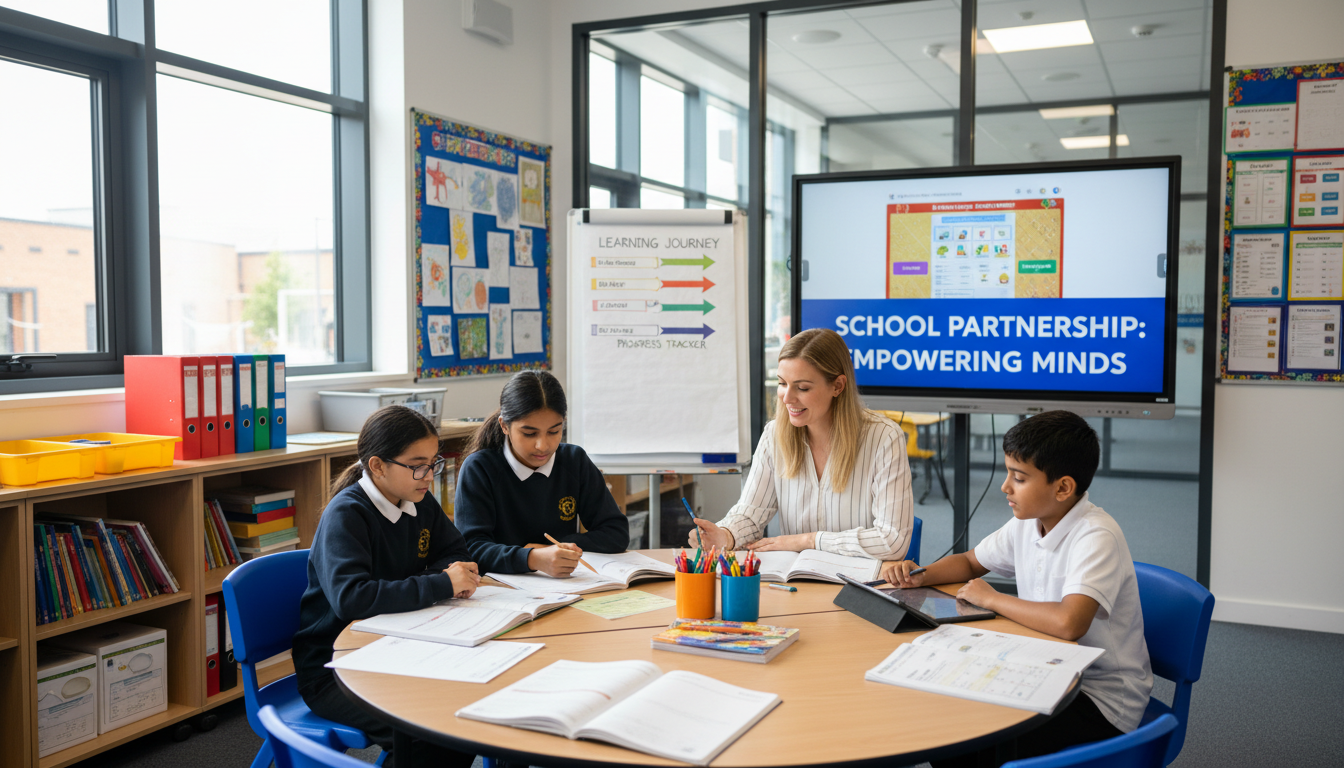
One of the most prevalent misconceptions is that school vouchers are exclusively for low-income families. While it is true that the initial intent was to provide opportunities for these families, the eligibility criteria have expanded. Today, many middle-income families can also benefit from the program. This inclusivity aims to provide more families with the ability to choose the best educational path for their children.
Eligibility often depends on various factors, including family income and the specific requirements of individual voucher programs. As a result, a wider range of students can access better educational opportunities, regardless of their financial background.
Misconception 2: Vouchers Drain Public School Resources
Another common belief is that school vouchers drain resources from public schools. Critics argue that funding students in private institutions reduces the financial support available for public education. However, this perspective doesn't consider the complex funding structures in place.
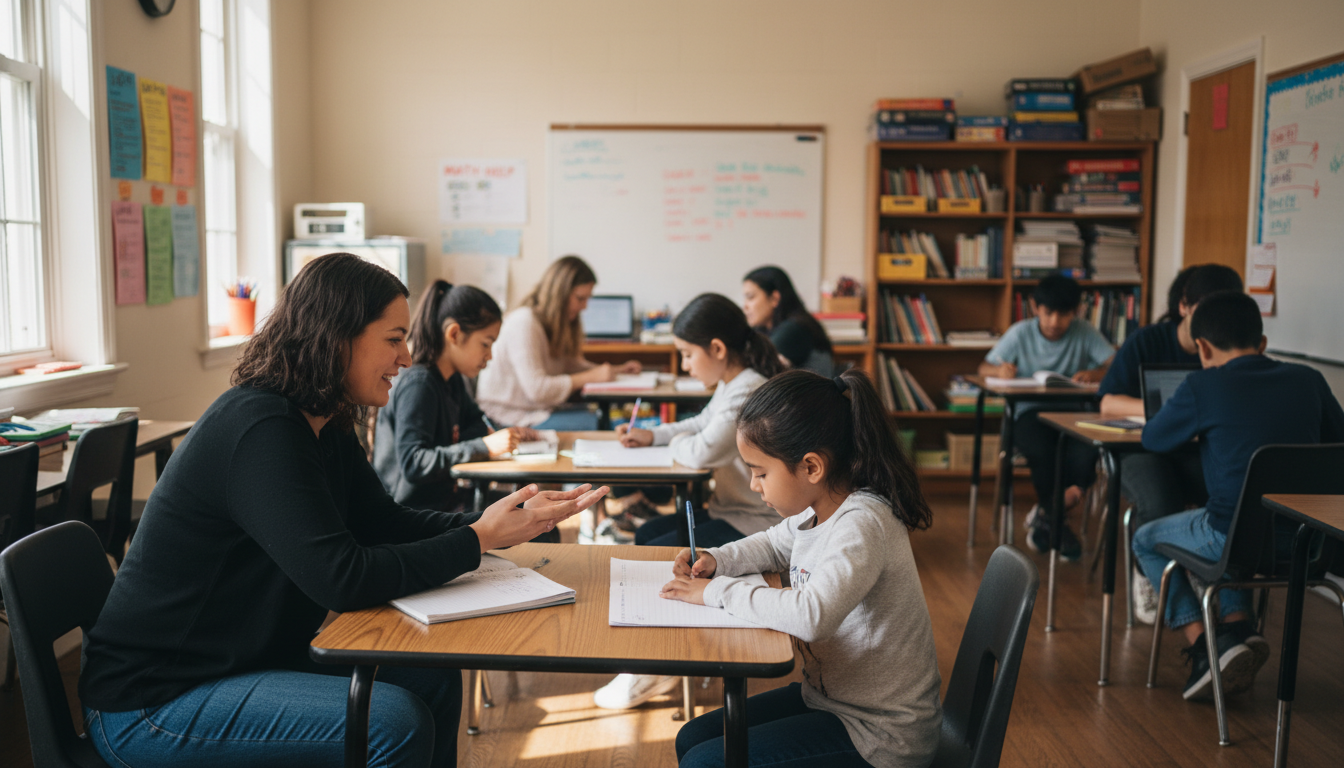
Voucher programs operate on the premise of redirecting funds that would have been spent on a student in public school to their chosen institution. This means the money follows the student, rather than depleting the available resources for public schools. Additionally, public schools may benefit from reduced class sizes and more focused resource allocation.
Misconception 3: Vouchers Only Support Religious Schools
Many people believe that school vouchers predominantly support religious schools, but this is not entirely accurate. While it's true that some students use vouchers to attend religious institutions, the program supports a wide array of educational settings, including secular private schools and specialized education centers.
The diversity of schools available through the voucher system allows parents to select environments that align with their educational values and their child's unique needs, whether religious or secular.

Misconception 4: Vouchers Lead to Lower Education Standards
Some critics argue that school vouchers lead to lower educational standards, as private institutions are not always subject to the same regulations as public schools. However, this assumption overlooks the rigorous accreditation processes that many private schools undergo to ensure quality education.
Moreover, competition in the educational sector can often drive improvements in both private and public schools. By offering families choices, schools may strive to enhance their programs to attract and retain students.
Conclusion: Dispelling the Myths
Understanding the Florida School Voucher System requires dispelling these common misconceptions. While the system is not without its challenges and controversies, it offers valuable opportunities for many families. By embracing a clearer understanding of how vouchers work, stakeholders can engage in more informed discussions about the future of education in Florida.