AI-Driven Education Aid in Florida: A New Era for School Voucher Applications


In recent years, Florida has witnessed a transformative shift in its educational landscape, driven by the integration of artificial intelligence (AI) in school voucher applications. This technological advancement is reshaping how families access educational resources, making the process more efficient and inclusive.
Florida's school voucher program has long been a crucial element in providing educational opportunities to students. By incorporating AI, the state aims to enhance the accessibility and effectiveness of these programs, ensuring that every child has the chance to succeed.
Understanding the Role of AI
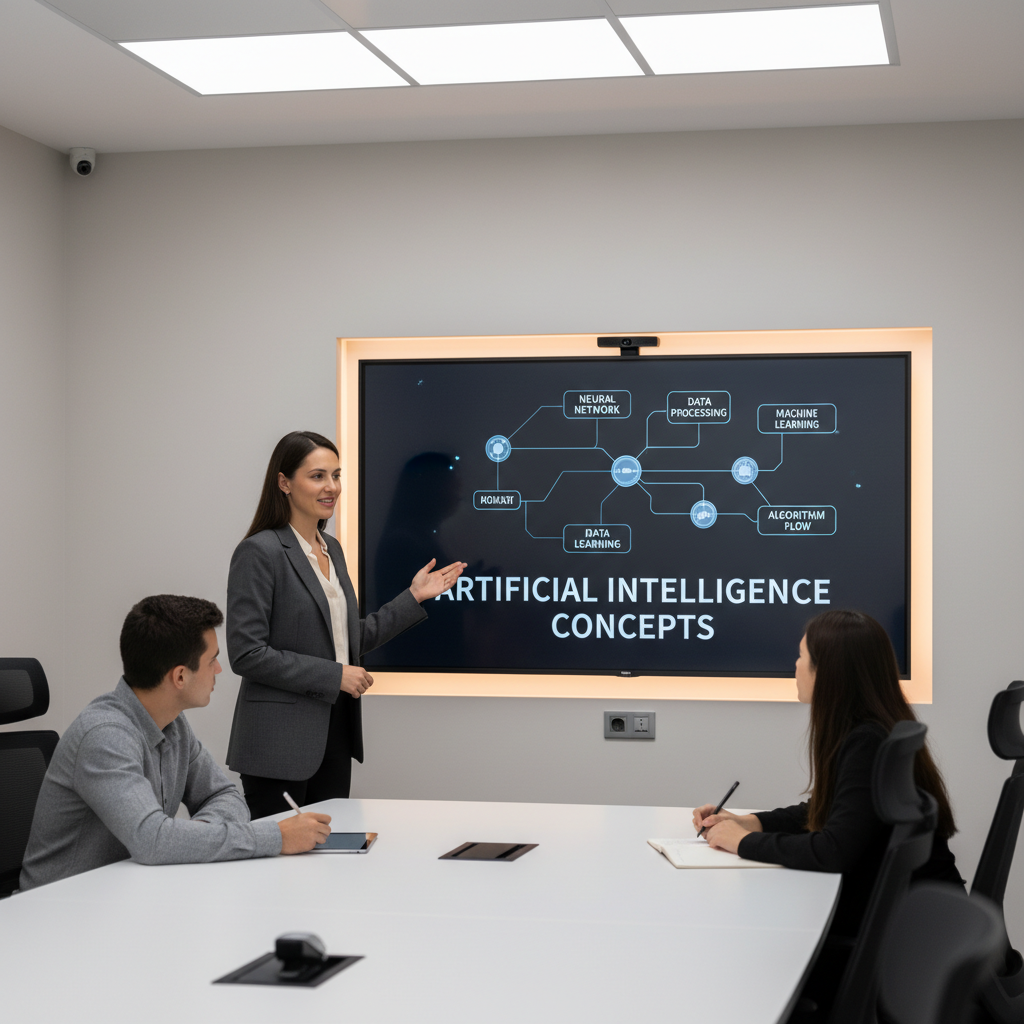
The introduction of AI in the school voucher process is designed to streamline application procedures. AI systems can process vast amounts of data quickly, providing families with faster responses and tailored recommendations. This means that families can make more informed decisions about their children's education.
AI-driven systems can also identify trends and patterns that may not be immediately apparent to human administrators. By analyzing data from previous applications, AI can help optimize the allocation of resources, ensuring that vouchers are awarded fairly and efficiently.
Benefits for Families
One of the most significant benefits of AI integration is the reduction of administrative burdens for families. Applying for school vouchers can be a complex and time-consuming process. AI simplifies this by automating many tasks, allowing families to focus more on educational choices rather than paperwork.
Moreover, AI systems can provide personalized guidance based on family needs and preferences, helping them navigate the options available in Florida's diverse educational landscape. This personalized approach ensures that students receive the support they need to thrive.

Enhancing Educational Equity
AI-driven education aids also play a critical role in promoting educational equity. By analyzing demographic and socioeconomic data, AI can help identify underserved communities and ensure that they receive adequate resources and support.
This proactive approach aims to bridge the gap between different socioeconomic groups, providing all students with equal opportunities to quality education. AI's ability to predict and address potential disparities is a game-changer for educational equity in Florida.
Challenges and Considerations
While the benefits of AI in education are significant, it is essential to address potential challenges. Data privacy and security are paramount concerns, and robust measures must be implemented to protect sensitive information.
Additionally, the reliance on AI should not overshadow the importance of human judgment and oversight. A balanced approach, combining technological innovation with human expertise, is crucial to ensuring the success of AI-driven education aids.

The Future of AI in Education
As AI continues to evolve, its role in education will likely expand, offering even more sophisticated tools and solutions. Florida's adoption of AI in school voucher applications is just the beginning of a broader movement towards tech-enhanced learning environments.
By embracing AI, Florida is setting a precedent for other states to follow, demonstrating how technology can be harnessed to improve educational outcomes and accessibility for all students.